Knowledge Base


What you need to know about top load and crush testing
Top load testing is a popular test used in the packaging industry to measure the strength of bottles and similar containers. It’s also often referred to as crush testing or compressive testing and offers valuable information about how well a packaging product is able to withstand a load.
Top load testing bottles and containers
Top load testing is most often used on PET plastic bottles but can be applied to virtually any container. By crushing samples to a specific distance (usually ¼”) and measuring the load, it is possible to determine the quality of the bottles being produced.
A sample that fails to withstand a certain load at the ¼” displacement indicates problems with the manufacturing process or raw material being used. Top load testing can also be used to test a wide range of other materials and has similarities with compression and crush testing. For more information, check out our guide to crush and compression testing.
Top load testing in R&D for package design
Top Load testing is also used in the R&D of new package design to measure how a sample will withstand forces encountered during manufacturing, transportation, and ultimately how it will function when product is added. This helps ensure that the container is able to protect its contents until they are in the hands of the consumer.
Top load and crush testing solutions
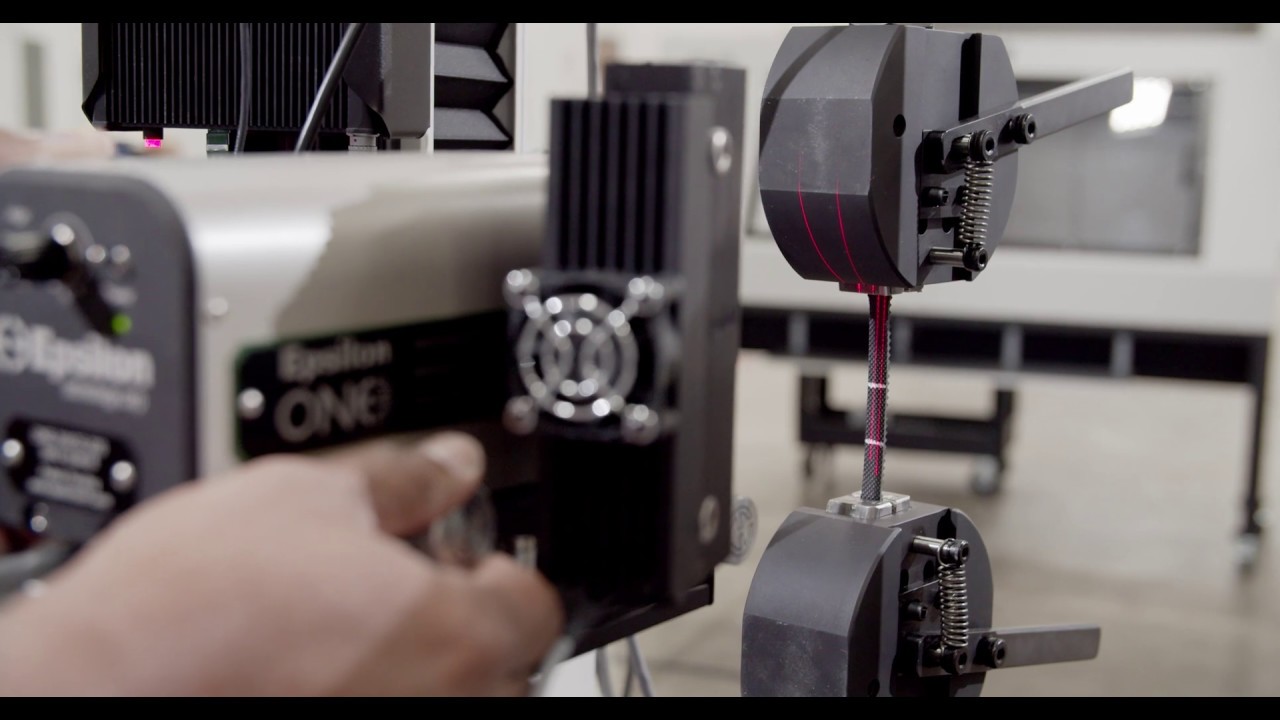
Our specialist brand United Testing Systems offers a range of universal testing machines ideal for top load, compressive and crush testing applications. For a look at how these machines work in action, watch our short test frame overview video.
Top load and crush testing standards
There are a number of standards applicable to crush and top load testing and at Industrial Physics, we offer testing solutions to help you make sure you’re meeting them. The most common top load related standards include:
- ASTM D2659-11 – Standard test method for column crush properties of blown thermoplastic containers.
- ASTM D642-00 (2010) – Standard test method for determining compressive resistance of shipping containers, components, and unit loads.
- ASTM D4577-05 (2010) – Standard test method for compression resistance of a container under constant load.
- ASTM D4169-09 – Standard Practice for Performance Testing of Shipping Containers and Systems.
- ISO 8113:2004 – Glass containers resistance to vertical load.
- ISTA 2 Series Partial-Simulation Performance Test Procedure (Sequence #3)
Top load testing solutions
With versatile solutions suitable for any work environments, we’re your perfect partner for top load, compression and crush testing. View our wide range of state-of-the art United Testing Systems test and inspection solutions.
Was this useful?
Related Articles
-

Key terms Term Definition Gloss The degree to which a surface reflects light in the specular (mirror) direction. Higher gloss means a shinier surface. Specular reflection Light reflected at the equal and opposite angle to the incident light, as from a mirror. 75 degree geometry The measurement angle used for paper and board gloss, taken…
-

Gloss is the visual perception of shininess, and it comes from the way a surface reflects light. When light hits a very smooth surface, most of it reflects in a single direction, the specular direction, and the surface looks glossy. When the surface is rough or open, light scatters in many directions and the surface…
-

Gloss is a measure of how much light a paper or board surface reflects in the specular, or mirror, direction. A high-gloss sheet reflects light sharply and looks shiny. A matte sheet scatters light and looks dull. In the paper and board industry, gloss is a controlled optical property because it shapes how printed packaging,…
