Knowledge Base

Understand your sample’s resistance with tear testing
How much resistance would it take to tear your sample apart? Are you confident that your materials will be able to withstand the pressures they’re likely to face? Be certain that you know exactly how a sample will react, with the best tear testing machines from Industrial Physics.
Whatever the materials you work with – from fabrics, films and rubber to woven composite materials – we have the technology to put them to the test.
Tear strength testing essentials
Our specialist brand United Testing Systems offers a versatile test frame capable of testing the tear strength of a wide range of materials, alongside many other advanced testing capabilities. Watch our short overview video for a quick guide.
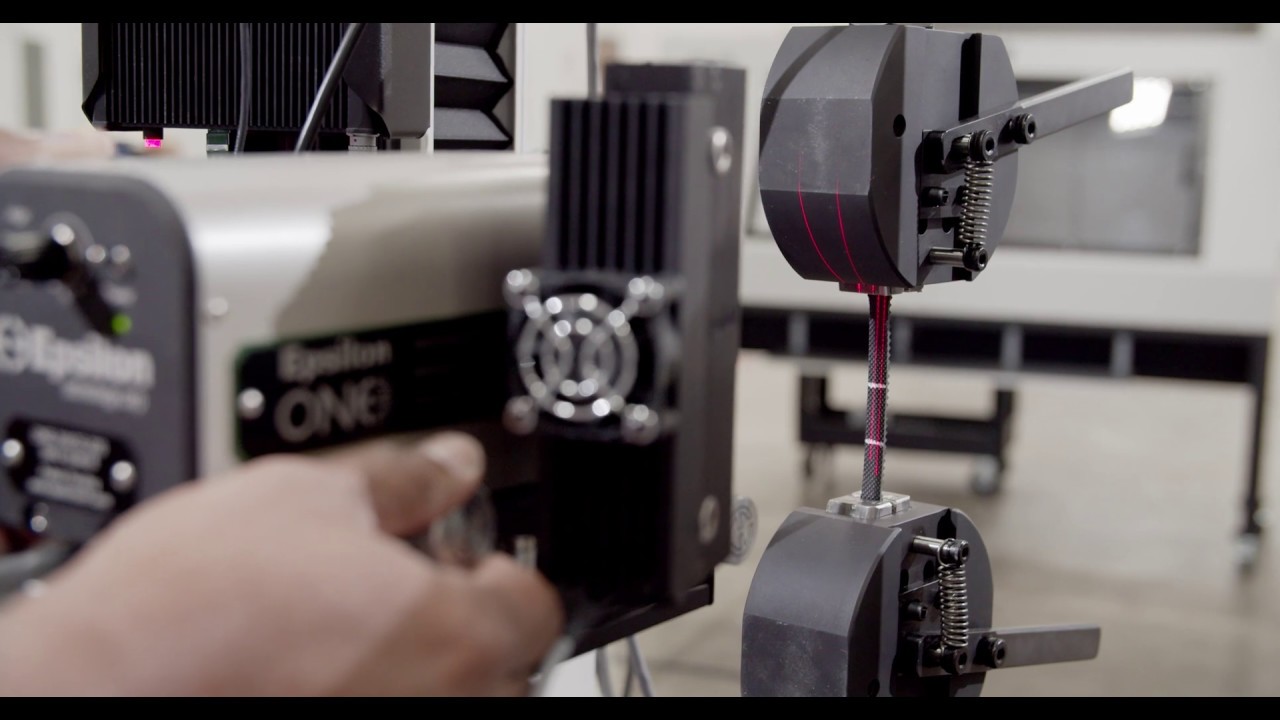
Tear strength testing essentials
Typically, you test your materials to meet stringent international standards and the thickness of the sample is also factored in. The result is expressed as force/thickness.
To get the accurate and repeatable results you need, precision speed control, loadcells, and proper sample preparation is critical. We make a wide variety of equipment that will help you to perform tear tests – including specialized grips, fixtures and die cutters for proper sample preparation.
Tear strength testing to international standards
Made by our specialist brand United Testing Machines, our materials testing brand with 50 years’ experience, our tear testers deliver accurate results, every time. We understand that your industry may have specific testing standards for certain materials, that’s why our tear testing solutions are designed to cater to a wide range of international testing standards, including:
- ASTM D1004 – Standard Test Method for Tear Resistance (Graves Tear) of Plastic Film and Sheeting
- ASTM D1938 – Standard Test Method for Tear-Propagation Resistance (Trouser Tear) of Plastic Film and Thin Sheeting by a Single-Tear Method
- ASTM D2261 – Standard Test Method for Tearing Strength of Fabrics by the Tongue (Single Rip) Procedure (Constant-Rate-of-Extension Tensile Testing Machine)
- ASTM D2582 – Standard Test Method for Puncture-Propagation Tear Resistance of Plastic Film and Thin Sheeting
- ASTM D5587 – Standard Test Method for Tearing Strength of Fabrics by Trapezoid Procedure
- ASTM D5884 – Standard Test Method for Determining Tearing Strength of Internally Reinforced Geomembranes
- ASTM D624 – Standard Test Method for Tear Strength of Conventional Vulcanized Rubber and Thermoplastic Elastomers
Get help with your tear strength testing set up
If you need some help making sure that you’re getting the kind of actionable data you need from your tear strength testing, be sure to get in touch. Or find out more about the advanced testing solutions developed by our experts at Industrial Physics.
Was this useful?
Related Articles
-

Key terms Term Definition Double seam The mechanical interlock that joins a can end to the can body; the primary barrier against leaks. Non-destructive testing Inspection that measures a can without cutting or destroying it, allowing higher inspection frequency. Destructive teardown Traditional seam inspection that cuts the can apart to measure internal seam features by…
-

Beverage can manufacturing is a high-speed, high-volume business. A single line can turn coil into thousands of beverage cans a minute, through cupping, drawing and ironing, trimming, decorating, internal coating, necking, flanging and palletizing. Every one of those steps must stay within tight tolerances, because a small drift multiplied across a fast line becomes a…
-

A modern beverage can manufacturing line runs at extraordinary speed, producing thousands of cans a minute. That speed is where the profit is, but it is also where the risk is. Traditional quality checks, such as the manual dimensional measurements of trimmed or necked cans are time consuming and based on small samples. They force…
