Knowledge Base

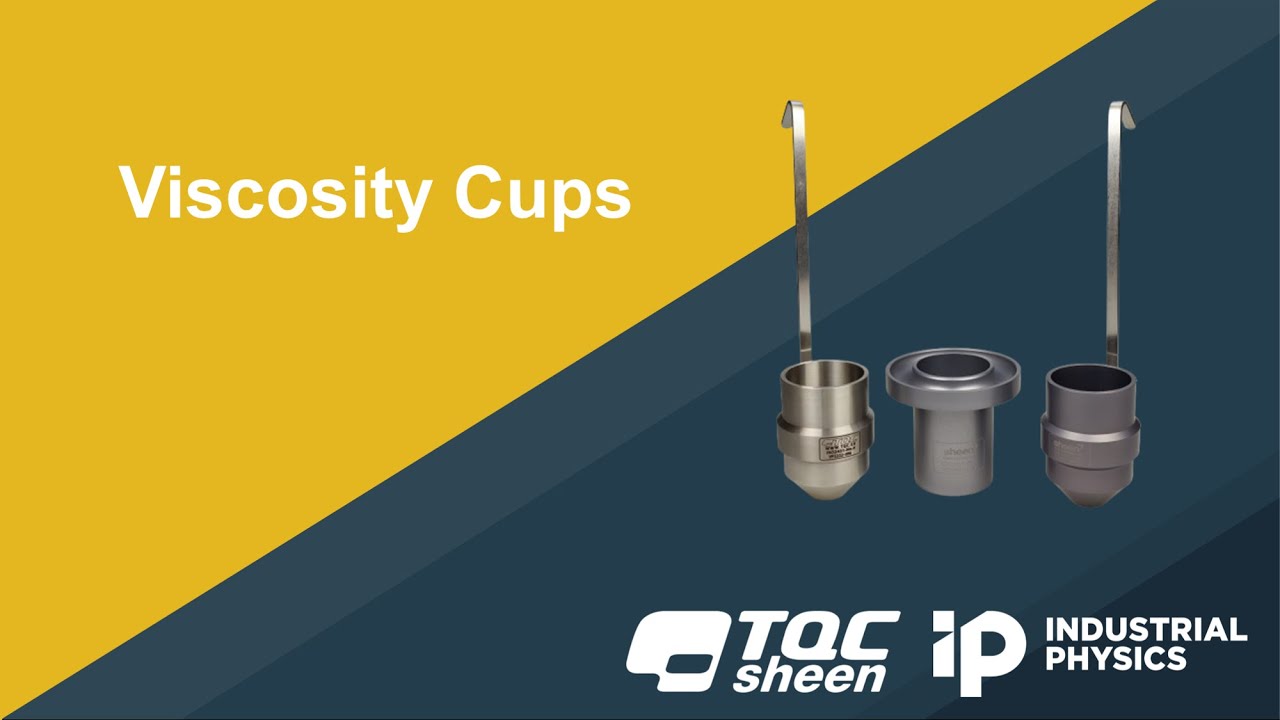
The TQC Sheen Viscosity Cup range provides fast, reliable measurement of a coating’s flow behavior and consistency. In this video, you’ll see how viscosity cups work, how to perform a proper flow‑time test, and why these tools are essential for quality control in paints, inks, varnishes, and other liquid coatings.
Key Features of TQC Sheen Viscosity Cups
- Precision‑machined orifice for accurate flow‑time measurement
- Available in multiple standards (DIN, Ford, ISO, ASTM, Zahn)
- Suitable for paints, inks, varnishes, resins, and other liquids
- Fast, simple testing method for production and laboratory use
- Durable construction for long‑term reliability
- Supports standardized viscosity measurement and batch consistency
- Ideal for QC, R&D, and formulation development
Types of TQC Sheen Viscosity Cups Featured in This Video
TQC Sheen offers a comprehensive selection of viscosity cups designed to meet international standards and support accurate, repeatable flow‑time measurement across coatings, inks, varnishes, and industrial liquids. Each cup type aligns with specific test methods and application needs.
Viscosity Cup DIN 53211 (Immersion Type)
Designed according to DIN 53211, this immersion cup provides reliable flow‑time measurement for paints and coatings. Ideal for production environments that follow European DIN standards. Click here to view the DIN 53211 Immersion Cup product page.
Viscosity Cup ASTM D1200 Ford
A widely used cup for measuring the viscosity of paints, lacquers, and varnishes according to ASTM D1200. Known for its precision and suitability for both lab and production QC. Click here to view the ASTM D1200 Ford Cup product page.
Viscosity Cup ASTM D1084 / D4212 Zahn (Immersion Type)
A lightweight, easy‑to‑use immersion cup commonly used in printing inks, coatings, and industrial liquids. Provides quick, repeatable viscosity checks in line with ASTM Zahn standards. Click here to view the ASTM D1084/D4212 Zahn Immersion Cup product page.
NF T030‑014 AFNOR Cups
French‑standard viscosity cups designed for consistent flow‑time measurement in coatings and related materials. Ideal for manufacturers working within AFNOR specifications. Click here to view the NF T030‑014 AFNOR Cup product page.
BS 3900 Viscosity Cups (1971 Specification)
British‑standard cups used for evaluating the viscosity of paints and varnishes. A dependable choice for legacy processes and QC workflows aligned with BS 3900. Click here to view the BS 3900 (1971) Viscosity Cup product page.
Lory Viscosity Cups (Immersion Type)
A classic immersion‑style cup used for quick viscosity checks of inks, coatings, and other low‑viscosity liquids. Favored for its simplicity and ease of use in production settings. Click here to view the Lory Immersion Cup product page.
Why Viscosity Testing Matters
Viscosity directly influences:
- Application performance
- Film thickness and leveling
- Sprayability and brushability
- Drying behavior
- Coating appearance and durability
TQC Sheen viscosity cups help manufacturers:
- Verify batch‑to‑batch consistency
- Detect formulation issues early
- Optimize application properties
- Maintain compliance with industry standards
- Improve quality control and reduce rework
They’re widely used in:
- Paint and coatings production
- Ink and varnish manufacturing
- Industrial chemical processing
- R&D and formulation labs
- QC environments requiring fast, repeatable checks
Technical Summary
- Measurement type: Flow‑time viscosity
- Standards: DIN, Ford, ISO, ASTM, Zahn
- Applications: Paints, inks, varnishes, resins, coatings
- Use cases: QC, R&D, formulation control
For full technical specifications, visit the all our viscosity testing product pages
Speak With an Expert
If you’re looking to improve viscosity testing or need help selecting the right TQC Sheen viscosity cup, our team is here to support you. Contact our experts today.
Was this useful?
Related Videos
-

This video introduces the TQC Sheen range of film applicators, designed to create consistent, repeatable coating films for laboratory testing. You’ll see the different applicator types, how they’re used, and why controlled film application is essential for accurate coating performance evaluation. Key Features of TQC Sheen Film Applicators Wide range of applicator designs for different…
-

The TQC Sheen Coatmaster Flex delivers fast, non‑contact coating thickness measurement for wet and cured coatings. In this video, you’ll see how the device works, how it captures instant readings, and why it’s a powerful tool for improving coating quality, reducing waste, and optimizing production processes. Key Features of the Coatmaster Flex Instant, non‑contact coating…
