Knowledge Base

When to use the falling dart impact test (ASTM D1709)
Cost-effective and space-saving in comparison to rigid packaging, flexible packaging is employed by a huge range of industries – all with their own particular demands and stressors.
For example, its use in the food and medical supplies industries means it often needs to meet strict food and safety or pharmaceutical grade standards, as well as durability standards. This is where a robust QA testing regime comes into play, and the falling dart impact test should be part of any flexible packaging film testing setup.
Learn more about our guide to creating the ultimate flexible package here!
What is the falling dart impact test?
The falling dart impact test is a straightforward and efficient way to test the impact strength or toughness of films. It allows the measurement of the material’s impact resistance, by dropping a free-falling dart and recording the resulting effect on the film, which is clamped in place.
There are two main methods for testing, Method A and Method B. They are differentiated by the height of the drop and the diameter of the dart head.
Method A
Method A uses a dart head of 38±1mm and is made of low-density materials like aluminum or phenolic plastic. The drop height is 0.66±0.01m.
Method B
Method B uses a dart head of 50±1mm and is made of tough materials such as polished stainless steel. The drop height is 1.50 ±0.01m.
Falling dart tests and the ASTM D1709
ASTM D1709 has been recognized as the industry standard testing requirement for impact resistance of plastic film tested by the free-falling dart method.
For methods A and B, there are specific dart head dimensions that must be used for the test to be ASTM D1709 compliant. The diameter of the dart head for method A and method B must be 38.1±0.13mm and 50.8±0.13mm, respectively.
The other testing standard often used for films in flexible packaging is the ASTM D4272, which measures the total energy impact of plastic films by measuring the kinetic energy lost by a free-falling dart.
If you’re looking for a reliable free falling dart testing solution, we recommend the easy to use FD-A1 Advanced Floor Mounted Falling Dart Tester by Ray-Ran.
Falling dart and other film testing solutions with Industrial Physics
We offer a wealth of instruments across various testing applications within flexible packaging and our years of expertise working with global brands means we’re able to offer valuable insights and advice. If you’re interested in finding out more about how we can help you ensure the integrity of your flexible packaging, get in touch.
Was this useful?
Related Articles
-
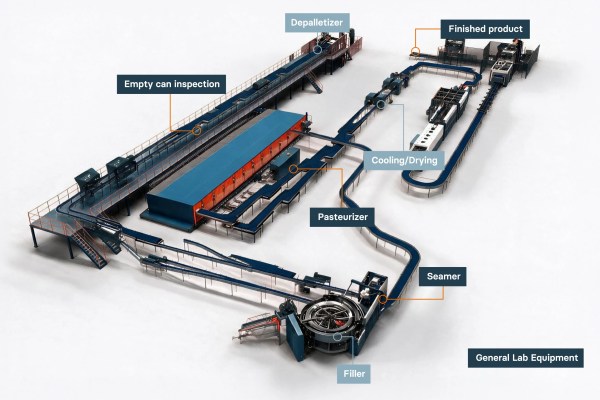
Explore every stage of the modern beverage can filling line with our interactive beverage can filling process map. From can depalletizing and rinsing through to filling, seaming, pasteurizing, and palletizing, each step in the process demands precision, consistency, and quality assurance. By hovering over each stage in the diagram below, you can discover the most…
-

Key terms Term Definition Double seam The mechanical interlock that joins a can end to the can body; the primary barrier against leaks. Non-destructive testing Inspection that measures a can without cutting or destroying it, allowing higher inspection frequency. Destructive teardown Traditional seam inspection that cuts the can apart to measure internal seam features by…
-

Beverage can manufacturing is a high-speed, high-volume business. A single line can turn coil into thousands of beverage cans a minute, through cupping, drawing and ironing, trimming, decorating, internal coating, necking, flanging and palletizing. Every one of those steps must stay within tight tolerances, because a small drift multiplied across a fast line becomes a…
