Knowledge Base

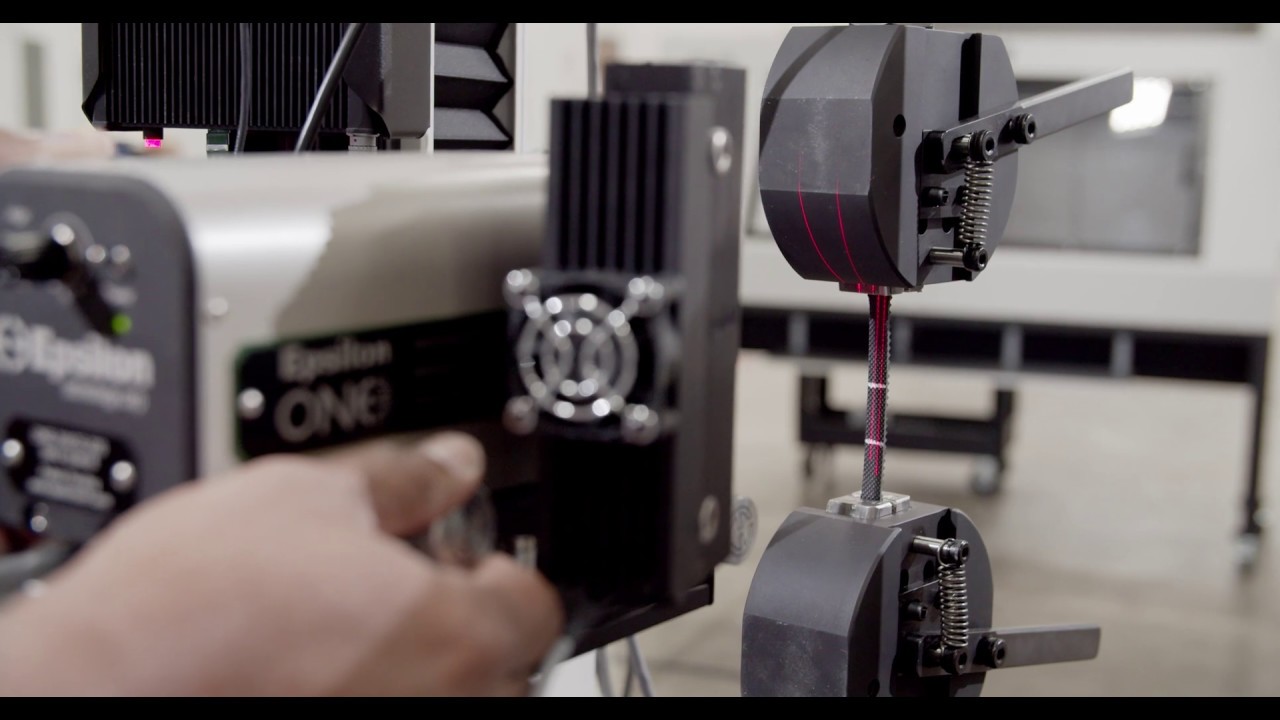
Creep testing, also referred to as cold flow, refers to how a material slowly moves or changes shape when a load is applied. Measuring Creep typically involves applying high temperatures to a sample for long periods of time while also applying the load, so the use of Environmental Chambers along with a test frame with highly accurate speed controls is common for this type of test. Creep testing is often performed on metals that are designed to work in high stress or high temperature environments such as engine parts and related components.
View United Testing Systems here
United can help you with these and many other Creep testing standards
| ASTM C1291 – Standard Test Method for Elevated Temperature Tensile Creep Strain, Creep Strain Rate, and Creep Time to Failure for Monolithic Advanced Ceramics |
| ASTM C1337 – Standard Test Method for Creep and Creep Rupture of Continuous Fiber-Reinforced Advanced Ceramics Under Tensile Loading at Elevated Temperatures |
| ASTM D2990 – Standard Test Methods for Tensile, Compressive, and Flexural Creep and Creep-Rupture of Plastics |
| ASTM D5405 – Standard Test Method for Conducting Time-to-Failure (Creep-Rupture) Tests of Joints Fabricated from Nonbituminous Organic Roof Membrane Material |
| ASTM D6383 – Standard Practice for Time-to-Failure (Creep-Rupture) of Adhesive Joints Fabricated from EPDM Roof Membrane Material |
| ASTM D7337 – Standard Test Method for Tensile Creep Rupture of Fiber Reinforced Polymer Matrix Composite Bars |
| ASTM E139 – Standard Test Methods for Conducting Creep, Creep-Rupture, and Stress-Rupture Tests of Metallic Materials |
| ASTM E292 – Standard Test Methods for Conducting Time-for-Rupture Notch Tension Tests of Materials |
| ASTM E633 – Standard Guide for Use of Thermocouples in Creep and Stress-Rupture Testing to 1800°F (1000°C) in Air |
Was this useful?
Related Articles
-

Coating Film Thickness Measurement Explained: Wet Film, Dry Film, and Contactless Methods (ISO 2808)
Why film thickness is a critical quality control parameter Film thickness is one of the most important quality checks for any applied coating. Get it wrong in either direction and the coating fails to do its job. Too thin, and it will not provide the protection, appearance, or function the specification calls for. Too thick,…
-

Key terms Term Definition Wet film thickness (WFT) Coating thickness measured immediately after application, before drying or curing. Dry film thickness (DFT) Coating thickness measured after the coating has cured. Volume solids The percentage of a coating that remains on the surface after solvents evaporate. Magnetic induction DFT method for non-magnetic coatings on ferrous (steel,…
-

Coating Film Thickness Measurement Coating film thickness measurement is the process of determining how thick an applied coating is, either while it is still wet or once it has cured. It is a core quality control check in the paints and coatings industry, used to confirm a coating meets its specification for protection, appearance, and…
