Knowledge Base

Puncture resistance testing is a category of testing standards that focus on measuring the ability of a sample, usually film, rubber, or paper to withstand being ruptured by a probe when force is applied at a constant speed. In most cases a specially designed test jig is required to properly secure the sample for testing. It should also be noted that the design of the test probe may vary from standard to standard. A common test procedure in the medical field is a puncture test to determine the sharpness of a needle, syringe, or other probe. United offers a wide variety of equipment, including puncture test jigs and probes, that will enable you to perform accurate and repeatable puncture resistance testing.
View our United Testing Systems machines here
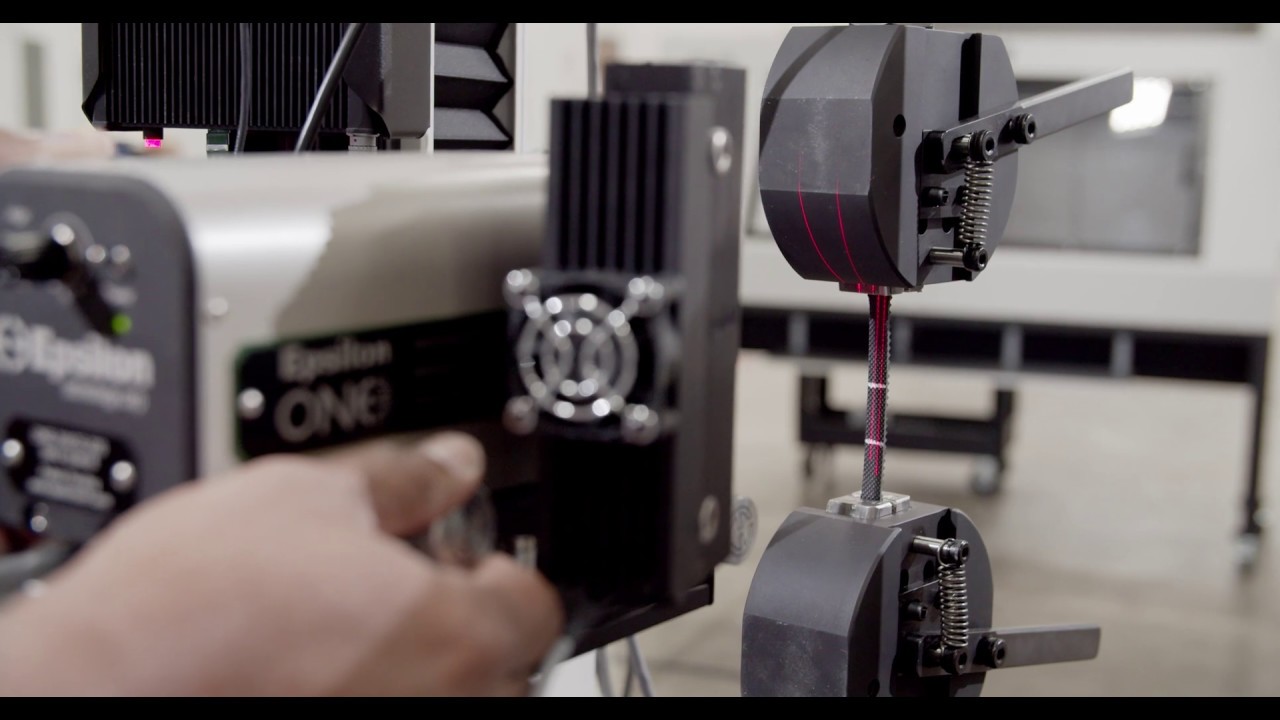
United can help you with these and many other standards that test Puncture Resistance
| ASTM D5748 – Standard Test Method for Protrusion Puncture Resistance of Stretch Wrap Film |
| ASTM D6241 – Standard Test Method for Static Puncture Strength of Geotextiles and Geotextile-Related Products Using a 50-mm Probe |
| ASTM D732 – Standard Test Method for Shear Strength of Plastics by Punch Tool |
| ASTM D751 – Standard Test Methods for Coated Fabrics |
| ASTM F1306 – Standard Test Method for Slow Rate Penetration Resistance of Flexible Barrier Films and Laminates |
| ASTM F1306 – Standard Test Method for Slow Rate Penetration Resistance of Flexible Barrier Films and Laminates |
| ASTM F1342 – Standard Test Method for Protective Clothing Material Resistance to Puncture |
| ASTM F2132 – Standard Terminology Relating to Medical and Surgical Materials and Devices |
| ASTM F2878 – Standard Test Method for Protective Clothing Material Resistance to Hypodermic Needle Puncture |
| ISO 12236 : geosynthetics – static puncture test (CBR test) |
| ISO 3036 : board – determination of puncture resistance |
| TAPPI T803 : puncture test of container board |
Was this useful?
Related Articles
-

Key terms Term Definition Double seam The mechanical interlock that joins a can end to the can body; the primary barrier against leaks. Non-destructive testing Inspection that measures a can without cutting or destroying it, allowing higher inspection frequency. Destructive teardown Traditional seam inspection that cuts the can apart to measure internal seam features by…
-

Beverage can manufacturing is a high-speed, high-volume business. A single line can turn coil into thousands of beverage cans a minute, through cupping, drawing and ironing, trimming, decorating, internal coating, necking, flanging and palletizing. Every one of those steps must stay within tight tolerances, because a small drift multiplied across a fast line becomes a…
-

A modern beverage can manufacturing line runs at extraordinary speed, producing thousands of cans a minute. That speed is where the profit is, but it is also where the risk is. Traditional quality checks, such as the manual dimensional measurements of trimmed or necked cans are time consuming and based on small samples. They force…
